crowns
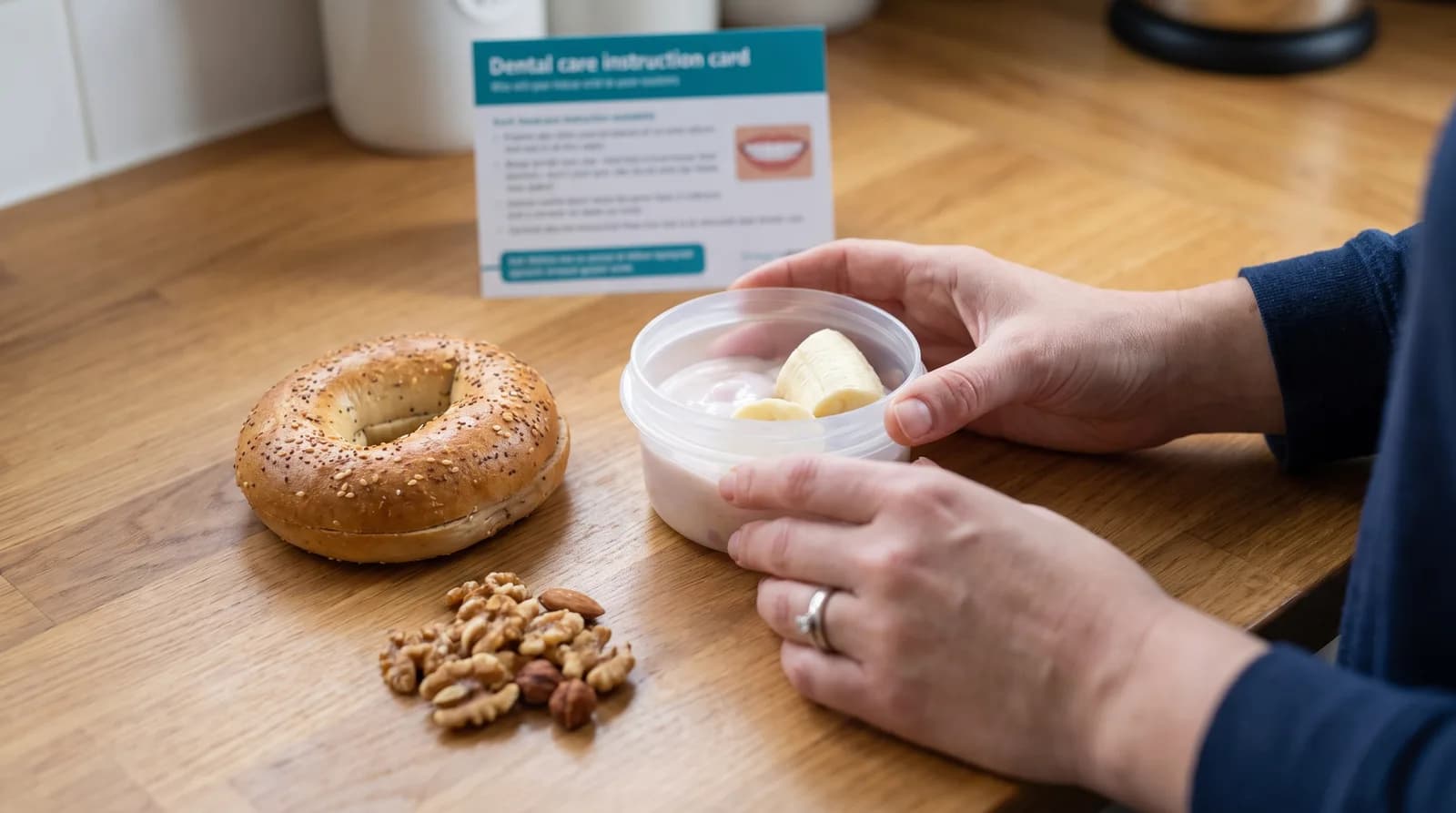
Temporary Crown Care Tips: What to Avoid Before Your Crown
Temporary crown care tips: what to avoid eating, how to floss carefully, and what to do if it comes loose or falls off entirely.
Sep 13, 20269 min read



Dental insurance is designed to make dental care more affordable, but the gap between what patients expect it to cover and what it actually covers is one of the most common sources of frustration at the dental office. Understanding dental insurance explained properly, including what dental insurance explained means for your specific plan, what the terms mean, how benefits are structured, and where the limits are. Understanding this eliminates the most common source of surprise at checkout. At Susan J. Curley DDS in Wall Township, NJ, no surprises at checkout is not just a promise; it is a process built into how treatment is presented and authorized before any work begins.
A PPO, or Preferred Provider Organization, is the most common type of dental insurance plan. It contracts with a network of dentists who accept negotiated fees. You pay the plan's percentage of those fees; the remainder is your responsibility. Annual maximums, deductibles, and coverage tiers determine exactly how much.
A PPO, or Preferred Provider Organization, is the most common type of dental insurance plan. It works by contracting with a network of dentists who agree to accept the plan's negotiated fees. When you see an in-network dentist, the plan pays its portion of those negotiated fees and you pay the remainder. When you see an out-of-network dentist, the plan may still pay, but based on a different fee schedule, and you may be responsible for the difference between what the plan pays and what the dentist charges.
The key mechanics of a dental PPO:
According to the American Dental Association, understanding the specific terms of your dental plan before treatment begins is essential to avoiding unexpected out-of-pocket costs, and patients are encouraged to request a benefits explanation before scheduling any significant procedure.

Coverage varies significantly by plan, but the general structure of most dental PPO plans follows a predictable pattern. Preventive services are covered at the highest rate, often at 100%, because insurers recognize that prevention is less expensive than treatment. Restorative and major services are covered at lower percentages, with the patient responsible for the remainder.
Common coverage tiers:
Cosmetic procedures including teeth whitening, veneers, and elective bonding are generally not covered by dental insurance since they are not medically necessary. A crown placed on a structurally compromised tooth may be covered even when that tooth is also in the cosmetic zone; a veneer placed on a healthy tooth for aesthetic improvement is not.
Whether a dentist is in-network with your plan affects how the plan calculates its payment. In-network dentists have agreed to the plan's fee schedule, which caps what they can charge for covered services. The plan pays its percentage of those capped fees, and the patient pays the remainder. There are no surprise charges above the negotiated rate for in-network services.
Out-of-network dentists have not agreed to the plan's fee schedule. Many plans still provide out-of-network benefits, but they calculate their payment based on what the plan considers a "usual, customary, and reasonable" fee rather than a negotiated rate. If the dentist's fee exceeds what the plan considers reasonable, the patient is responsible for the full difference, not just the coinsurance percentage.
At Susan J. Curley DDS, the team verifies your specific insurance benefits before treatment and provides a clear breakdown of what the plan is expected to cover and what your estimated out-of-pocket portion will be. This verification happens before the appointment, not after, so that there are no surprises when you check out.

The annual maximum is the most your plan will pay in a calendar year. Once that amount is reached, you pay 100% of remaining dental work until the plan resets. Annual maximums have stayed largely unchanged for decades while dental costs have risen, meaning they cover a smaller share of significant treatment than they once did.
The annual maximum is the total amount your insurance plan will pay toward dental care in a calendar year. Once that maximum is reached, you pay out of pocket for any remaining dental work until the plan resets. Annual maximums have remained largely unchanged for decades in many plans while the cost of dental care has increased significantly, which means the annual maximum covers a smaller share of significant treatment than it once did.
According to the National Institute of Dental and Craniofacial Research, understanding the limits of dental coverage including annual maximums helps patients plan dental care strategically, particularly when significant treatment is needed that may exceed what a single benefit year can cover.
When a treatment plan involves procedures that will consume or exceed the annual maximum, Dr. Curley's team can help sequence the treatment across benefit years to make the most of available coverage. A crown that can wait until January of the next benefit year may be worth timing strategically; one that cannot wait for clinical reasons should be completed and payment planned accordingly.

Two insurance provisions that frequently catch patients off guard are waiting periods and missing tooth clauses. Understanding both before enrolling in a new plan or beginning treatment prevents costly surprises.
Waiting periods require that a patient be enrolled in a plan for a set period, typically six to twelve months, before major services will be covered. A patient who switches insurance providers and then immediately needs a crown or bridge may find the new plan does not cover it until the waiting period has passed. Patients in this situation should confirm waiting periods before switching plans if significant dental work is anticipated.
A missing tooth clause excludes coverage for replacing a tooth that was already missing when the patient enrolled in the plan. If a tooth was lost before the coverage effective date, many plans will not contribute to the cost of an implant or bridge to replace it, even after waiting periods have passed. This clause is particularly important for patients considering implants who recently changed insurance plans.
Dental insurance generally does not cover elective cosmetic procedures. Teeth whitening, porcelain veneers for aesthetic purposes, and cosmetic bonding are patient-pay services at most practices including Susan J. Curley DDS. This is the standard across the industry rather than a practice-specific policy.
However, the line between cosmetic and restorative is not always obvious. A tooth-colored filling on a molar is a restorative procedure covered by insurance at the same rate as an amalgam filling in most modern plans. A crown on a tooth that is structurally failing is a restorative procedure even if the patient prefers the result aesthetically. At Susan J. Curley DDS, the treatment planning conversation is explicit about which procedures are expected to have insurance coverage and which are patient-pay, so the financial picture is clear from the start. Our article on smile makeover cost factors covers how cosmetic and restorative procedures are differentiated in treatment planning.
Susan J. Curley DDS accepts most major PPO plans and files claims on behalf of patients. Before any significant treatment, the team submits a pre-authorization to confirm coverage and provide a realistic out-of-pocket estimate before patients agree to proceed. No surprises at checkout.
Susan J. Curley DDS is a fee-for-service practice that accepts most major PPO insurance plans and files claims on behalf of patients for covered services. Before any significant treatment, the team submits a pre-authorization or benefit verification to confirm what the plan covers and at what percentage, so patients receive a realistic estimate of their out-of-pocket responsibility before agreeing to proceed.
Patients with no dental insurance or with plans that do not cover specific services can discuss financing options with the team. The goal is that the financial conversation happens before the clinical one, not after, so that cost is never a surprise and treatment decisions are made with full information. To schedule an appointment or ask questions about insurance coverage at this practice, visit susanjcurleydds.com/book-appointment or contact the office at susanjcurleydds.com/contact.
Questions about your dental insurance coverage?
The team at Susan J. Curley DDS verifies benefits before treatment and provides clear cost estimates upfront. No surprises at checkout.
Contact the OfficeUnderstanding your insurance fits into the broader picture of planning dental care at Susan J. Curley DDS.
Results may vary. Please consult with your dentist at Susan J. Curley DDS for personalized treatment recommendations.
Written By
Dentist
Temporary crown care tips: what to avoid eating, how to floss carefully, and what to do if it comes loose or falls off entirely.
Cost of veneers NJ: what actually drives the price, from the number of veneers to material choice and treatment planning.
Crown after root canal: why almost every treated tooth needs one, what happens if you skip it, and the right treatment timeline.
Book your visit with Dr. Curley online or call us, and we'll take it from there.