crowns
How Long Do Dental Crowns Last? A Complete Care Guide
How long do dental crowns last? Most last 10 to 15 years, depending on crown material, tooth location, and daily habits.
Sep 9, 20269 min read


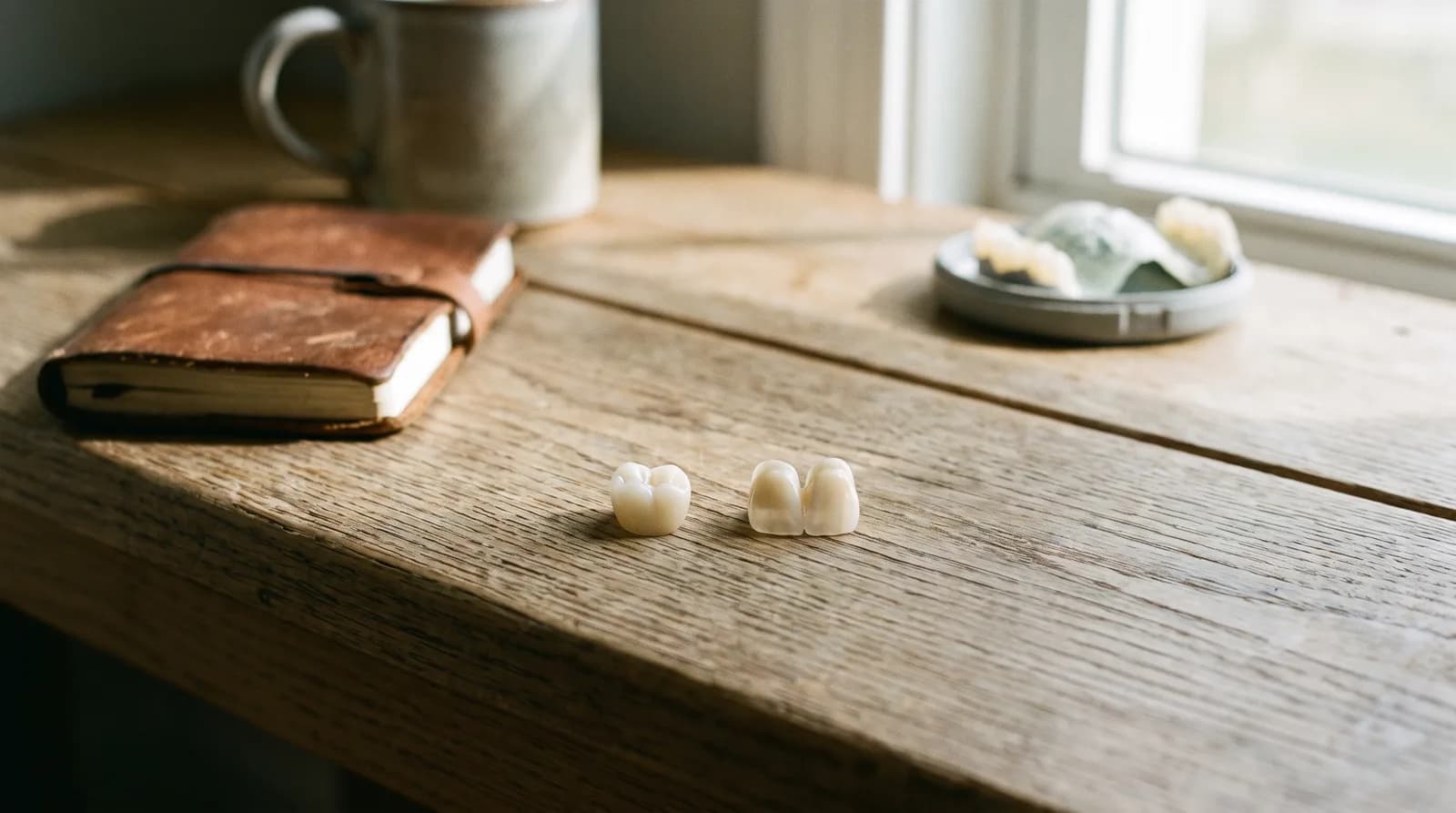
Zirconia vs porcelain crowns at our restorative dentistry practice is one of the more common questions patients ask. This comes up once they know a crown is the right restoration for their tooth. Both materials have a strong track record. They differ enough in strength, appearance, and best use case that the right choice depends on your specific tooth.
Neither material is universally better, despite what some marketing might suggest. The right answer genuinely depends on which tooth needs the crown and what matters most to you about the result.
This guide is written to help you walk into that conversation informed. It's not meant to push you toward one material over the other before your dentist has even examined the tooth in question.
Every recommendation should ultimately trace back to your specific tooth, your bite, and your priorities. It shouldn't default to one material simply because it's treated as automatic.
With that framework in mind, the sections below walk through the specific factors one at a time. That includes strength, appearance, longevity, opposing tooth wear, and tooth structure preservation.
Our guide on crown vs filling covers how a dentist decides you need a crown in the first place. Once that's settled, this guide breaks down how zirconia and porcelain actually compare. This is consistent with the ADA's patient resources on dental restorations.
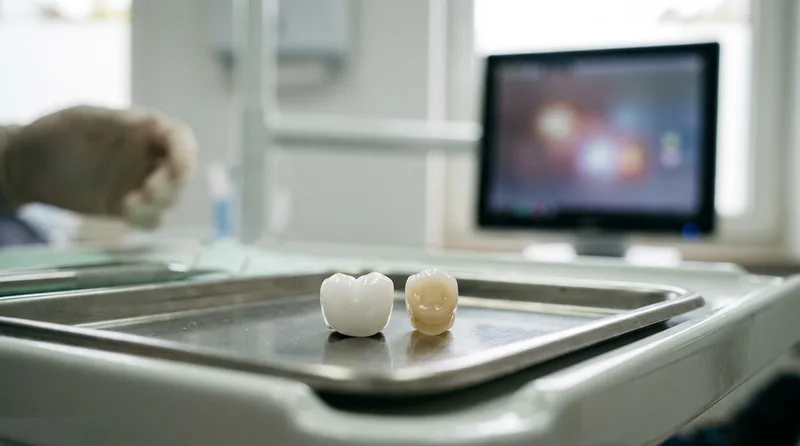
Zirconia is a highly durable ceramic material known for exceptional strength. Porcelain, often layered over a metal or ceramic base, is prized for its ability to closely mimic the translucency of natural enamel. Both are common, well-established choices for modern crowns.
Many "porcelain" crowns today are actually porcelain-fused-to-zirconia, combining zirconia's strength as a core with a porcelain layer for appearance. True comparisons often come down to full-strength zirconia versus a more traditional porcelain-fused-to-metal or all-porcelain crown.
This layering approach exists precisely because each material has a natural weakness the other helps offset. A zirconia core resists fracture, while the porcelain surface layer brings back the lifelike appearance zirconia alone doesn't quite achieve.
Understanding this hybrid option matters because a dentist recommending "porcelain" isn't necessarily ruling out zirconia's strength benefits. Many modern crowns already combine both materials to get the advantages of each.
Zirconia is generally stronger and more resistant to chipping or cracking than traditional porcelain. This makes it a common choice for back teeth that handle heavy chewing force. Porcelain alone is more prone to fracture under significant bite pressure.
Strength alone rarely determines the final choice. A crown that's technically the strongest option might not be the right fit. Appearance sometimes matters more than maximum bite force resistance for a specific tooth.
This is why your dentist looks at your full picture, including how visible the tooth is when you smile. That full picture matters more than defaulting to whichever option tests strongest in a laboratory setting.
Your bite pattern also factors into this evaluation. Someone with a naturally heavier bite or a history of grinding may benefit from zirconia's strength even on a front tooth. This applies despite the typical aesthetic-driven preference for porcelain in that location.
Porcelain generally has a slight edge in mimicking the way natural enamel reflects and transmits light. This is why it's frequently chosen for front teeth where appearance matters most. Modern zirconia has improved significantly in this area but can still appear slightly more opaque in certain lighting.
For most back teeth, this aesthetic difference matters far less, since molars aren't usually visible when you smile or speak. This is part of why material choice often depends heavily on which specific tooth is being restored.
Newer high-translucency zirconia formulations have narrowed this gap considerably, offering a middle ground between maximum strength and more natural light transmission. Your dentist can discuss whether this newer generation of zirconia fits your specific case.
Lighting conditions also affect how noticeable any difference actually is in daily life. A crown that looks slightly different under bright dental office lighting often blends in seamlessly under normal, everyday conditions.
Not sure which crown material fits your tooth?
An exam helps match the right material to your specific tooth, location, and bite.
Schedule an Exam →Zirconia crowns generally have a longer track record for withstanding heavy bite force without fracturing, particularly on molars. Well-made porcelain crowns on front teeth also perform reliably for many years with proper care. Longevity depends heavily on tooth location and daily habits.
Dental implants have a success rate of 95 to 98% over 10 years, according to the Journal of Oral and Maxillofacial Surgery. The same principle of proactive, well-fitted restorative work applies to crowns of either material.
Grinding or clenching affects both materials over time, though zirconia's added strength gives it more resistance to this kind of wear. A night guard remains the best protection for either material if grinding is a factor for you.
Regular checkups also play a role in longevity regardless of material. Your dentist can catch early signs of wear or a developing issue early. This happens well before it becomes a bigger problem requiring replacement of the crown entirely.
How you use your teeth day to day matters too. Using a crowned tooth to open packaging or bite unusually hard objects shortens the lifespan of either material. This holds true regardless of how strong it is on paper.
Diet also plays a smaller but real role. Frequently biting into very hard foods puts repeated stress on any crown material over time. This gradually increases the chance of a chip or crack developing.
Yes, a very hard crown material can, in some cases, cause more wear on the natural tooth it bites against. This effect is more noticeable compared to a slightly softer material. This is a legitimate consideration your dentist weighs alongside strength and appearance.
Modern zirconia formulations have addressed much of this concern through improved polishing techniques. These smooth the surface and reduce friction against the opposing tooth. This is one more reason working with an experienced dentist matters for the final result.
A properly polished zirconia crown behaves very differently than an unpolished or roughly finished one. This is why the quality of the final finishing step matters just as much as the material itself. Both play a role in protecting the opposing tooth.
Ask your dentist specifically about the polishing process used for your crown if this is a concern for you. This matters particularly if you're already dealing with sensitivity or wear on the opposing tooth from a previous restoration.
This is a reasonable question to raise during your consultation. A dentist experienced with both materials will have a specific answer rather than a general reassurance that either option works fine.
The goal of asking isn't to second-guess the recommendation, it's to understand it well enough to feel settled with whichever material ends up being the right fit for your tooth.
Both zirconia and porcelain have earned their place as reliable, well-tested options in modern dentistry. The right choice simply comes down to matching the material's strengths to what your specific tooth actually needs.
Zirconia's strength allows it to be made thinner in some cases, which can mean preserving slightly more natural tooth structure during preparation. Traditional porcelain-fused-to-metal crowns sometimes require a bit more reduction to accommodate the metal substructure underneath.
This difference is generally modest and rarely the deciding factor on its own. It's worth understanding as one more piece of the overall picture your dentist considers when recommending a specific material for your tooth.
Preserving natural tooth structure matters most for teeth that have already been through significant treatment. Every bit of remaining structure supports the long-term health of the tooth beneath the crown.
This is especially relevant for a tooth that's already had a root canal or a large filling. It may have less structure to spare compared to a tooth being crowned for the first time.
Your dentist factors this history into the recommendation automatically. This is one more reason a thorough exam matters more than a generic preference for one material over another going into the appointment.
The right material depends on which tooth is being restored and how much bite force it handles. How much the appearance matters to you specifically also plays a role. A back molar might call for zirconia's strength, while a visible front tooth might prioritize porcelain's natural translucency.
| Factor | Zirconia | Porcelain |
|---|---|---|
| Strength | Excellent, resists chipping | Good, more prone to fracture under heavy force |
| Natural appearance | Very good, improving with newer formulations | Excellent translucency, closely mimics enamel |
| Best for | Molars, heavy bite force areas | Front teeth, visible smile areas |
| Tooth structure needed | Can be thinner, preserving more structure | May require more reduction depending on type |
Our guide on same-day crowns versus lab crowns covers how material choice interacts with same-day milling technology. Not every material is equally suited to in-office fabrication.
Zirconia vs porcelain crowns ultimately comes down to matching the material to your specific tooth and priorities. Neither option is universally better on its own. Regular dental visits catch 80% of oral health issues before they become serious, according to the ADA. The same principle of proactive care applies to protecting whichever crown material you choose. Following general oral health guidance from the CDC alongside routine checkups supports a long-lasting result either way. Results may vary. Please consult with your dentist at Susan J. Curley DDS for personalized treatment recommendations.
If you're preparing for a crown appointment and want to understand which material makes sense for your tooth, bring your questions to the consultation. That's the most direct way to get a clear answer.
Whichever material you and your dentist decide fits best, understanding the reasoning behind it means you're making an informed choice rather than simply accepting a default recommendation.
Find the Right Crown Material for Your Tooth
Schedule an exam with Dr. Curley in Wall Township to discuss the best option for your case.
Book Appointment →Have questions before booking?
Contact Our Wall Township Office →Written By
Dentist
How long do dental crowns last? Most last 10 to 15 years, depending on crown material, tooth location, and daily habits.
Single tooth implant cost NJ: what actually drives the price, from crown type to bone grafting, imaging, and insurance coverage.
Crown vs filling: how dentists actually decide based on remaining tooth structure, cracks, and root canal treatment needs.
Book your visit with Dr. Curley online or call us, and we'll take it from there.