
smile-design
How to Build a Full Smile Makeover Plan That Works
Full smile makeover plan explained: how to properly sequence Invisalign, whitening, and veneers together for the best result.
Sep 22, 20266 min read


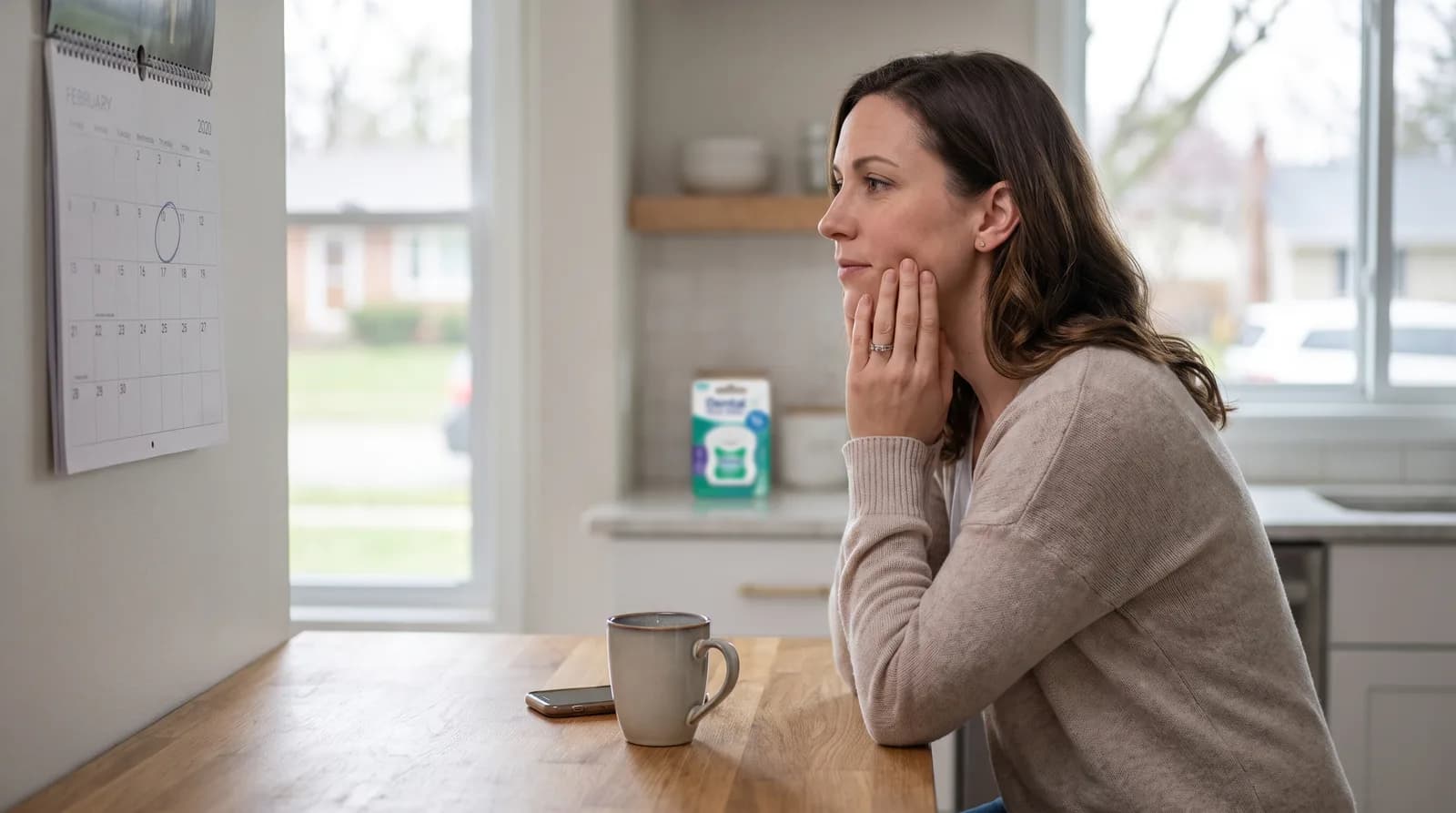
Wondering if your tooth needs to come out? A tooth extraction Wall Township NJ patients actually need is less common than most people assume, but a few specific warning signs mean waiting is the wrong call. This guide walks through when extraction is genuinely the right move, which symptoms deserve a same-day call rather than a wait-and-see approach, and what modern extractions actually feel like at Susan J. Curley DDS. Every extraction decision starts with a full evaluation as part of general dentistry care, not a snap judgment based on one symptom alone. Understanding the difference between a tooth worth saving and one that genuinely needs to come out is the first step toward the right decision.
Not Sure If It's Urgent?
If a tooth is swollen, throbbing, or visibly broken, don't wait to find out. Reach out today.
Book Appointment →A tooth extraction becomes necessary when a tooth is too damaged, decayed, or infected to save with a filling, crown, or root canal. Dr. Curley always looks for a way to save a tooth first, and extraction is the last option, not the first.
Most teeth can be repaired even after significant decay or a crack, thanks to root canals, crowns, and other restorative options. Extraction becomes the right call when the tooth's structure is too compromised to support a repair, when infection has spread beyond what a root canal can address, or when a tooth is so loose from bone loss that saving it would only delay the inevitable by a few months. Age and overall oral health also factor into that decision, since a tooth that's borderline repairable in an otherwise healthy mouth may be treated differently than the same tooth surrounded by other problems.
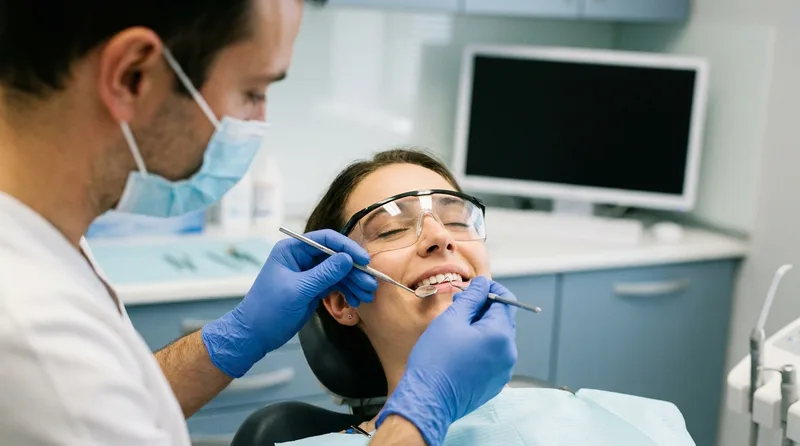
Every case gets evaluated individually with an exam and X-rays before any extraction is recommended, never based on a phone description alone. That evaluation matters even more given that, according to CDC data, nearly 1 in 4 adults in the US has untreated tooth decay, meaning a large share of extraction candidates could have avoided that outcome with earlier treatment.
Persistent throbbing, visible swelling, a bad taste that won't go away, and a tooth that's suddenly loose are signs you shouldn't ignore. Each one can point to an infection or structural problem that gets worse, not better, with time.
None of these symptoms mean extraction is automatic, but all of them mean a same-week evaluation, not a wait-and-see approach at home. A tooth that's simply sensitive to cold or sweets is a different situation entirely and rarely signals the same urgency as the symptoms above. According to the CDC, 42% of adults aged 30 and older have some form of periodontal disease, which is one of the more common underlying reasons a tooth ends up loose or infected in the first place.
No, a cracked or broken tooth does not always need extraction. Many cracks can be treated with a crown, bonding, or a root canal depending on how deep the crack runs and whether it reaches below the gumline.
A crack confined to the visible crown of the tooth is often repairable with a crown or bonding, restoring both function and appearance. A crack that extends into the root or below the gumline is a different story, since bacteria can enter the space and cause an infection that's much harder to treat. Dr. Curley uses X-rays and a close visual exam to determine which category a crack falls into before recommending anything.
If you're dealing with a fresh crack right now, same-day evaluation matters more than the specific treatment path, since a delayed exam gives the crack more time to worsen. A crack that seems minor at first can extend further with normal chewing pressure, which is part of why waiting to see if it feels better rarely works out.
No, modern tooth extractions are far more comfortable than most people expect, thanks to effective local anesthetic and, for anxious patients, sedation options. Most patients describe pressure rather than sharp discomfort during the procedure itself.

The area is fully numbed before anything begins, and Dr. Curley checks in throughout to confirm you're comfortable. Afterward, some soreness and swelling for a few days is normal and manageable with over-the-counter medication or a prescribed option for more involved extractions. What surprises most patients is how much less involved the actual appointment is compared to what they imagined beforehand.
If dental anxiety is part of what's held you back from addressing a problem tooth, mention it when you call. The visit can be paced around your comfort level from the very first conversation. According to MouthHealthy, the ADA's patient education site, most patients report far less discomfort during a modern extraction than they anticipated beforehand.
Dealing With a Dental Emergency Right Now?
If you're in acute discomfort or dealing with visible swelling, see our full guide to same-day emergency care.
See Emergency Care Options →Waiting too long on a problem tooth allows infection to spread, bone loss to worsen, and treatment options to narrow from a simple repair to extraction as the only remaining choice. Time works against a compromised tooth, not for it.
| Timeline | What Can Happen |
|---|---|
| Days | Minor infection can begin spreading to surrounding tissue |
| 1 to 2 weeks | Swelling and discomfort typically intensify without treatment |
| Several weeks | An abscess can form, risking spread beyond the tooth itself |
| Months | Bone loss around the tooth may rule out simpler restorative options |
According to JADA research, dental abscesses can spread to other parts of the body within 48 hours if left untreated, which is exactly why a same-day call matters more than trying home remedies for a few days first. A tooth that's merely uncomfortable today can become a genuine medical concern within a week if the underlying infection isn't addressed. Regular dental visits catch roughly 80% of oral health issues before they become serious, according to the ADA, which underscores why an evaluation now beats waiting for symptoms to escalate further.
No, extractions fall into two categories: simple extractions for teeth that are fully visible above the gumline, and surgical extractions for teeth that are impacted, broken at the gumline, or angled beneath the surface. The approach and recovery differ between the two.
A simple extraction is typically quick, using local anesthetic and basic instruments to loosen and remove a fully erupted tooth. A surgical extraction, often needed for impacted wisdom teeth or a tooth that's fractured below the gumline, involves a small incision and sometimes removing the tooth in sections. Both are routine procedures, but a surgical extraction generally means a longer recovery window and slightly more swelling in the days afterward.
Dr. Curley determines which category a tooth falls into during the same exam that confirms extraction is necessary in the first place, so there's no separate visit just to find that out. Knowing which category applies ahead of time also helps set realistic expectations for both the appointment length and the recovery that follows.
After a tooth is removed, your main options are a dental implant, a bridge, or, in some cases, leaving the space as is if it won't affect your bite or appearance. Dr. Curley discusses trade-offs for each before you decide.
A dental implant is the closest replacement to a natural tooth in both function and longevity, though it involves a longer overall timeline. A bridge restores appearance and chewing function faster but relies on the neighboring teeth for support. Leaving a gap is sometimes reasonable for a back tooth that isn't visible and doesn't affect how you bite, though it can allow neighboring teeth to shift over time.
This conversation typically happens before the extraction, not after, so you already know the plan going in. Cost, timeline, and how visible the tooth is when you smile all factor into which option makes the most sense for your specific situation. Americans who visit a dentist regularly are 60% less likely to lose teeth altogether, according to the Journal of Dental Research, which is part of why replacement planning starts as early as possible rather than after the fact.
Most patients recover from a routine extraction within a few days to a week, with the most noticeable swelling and soreness in the first 48 to 72 hours. More involved extractions may take slightly longer.
Most patients are back to their normal routine within a few days, with full healing of the gum tissue taking a few weeks in the background. If swelling or discomfort gets noticeably worse after the third day instead of improving, that's worth a follow-up call rather than waiting it out. A short list of aftercare instructions is provided before you leave, covering everything from diet to activity restrictions for the first few days.
Treat it as a dental emergency if you have facial swelling, a fever, difficulty swallowing or breathing, or discomfort that keeps you up at night. These signs suggest infection that needs same-day attention, not a routine appointment.
According to the ADA Health Policy Institute, roughly 2 million emergency room visits per year in the US are for dental issues, many of which could have been addressed sooner with a same-day dental appointment instead. An ER can manage discomfort and infection short-term, but only a dentist can actually treat the underlying tooth.
If any of these symptoms sound familiar, call rather than wait for your next scheduled cleaning. Same-day emergency dentistry appointments exist for exactly this situation, and getting seen quickly is often what keeps a manageable problem from turning into a more complicated one.
A tooth extraction Wall Township NJ patients need is never the automatic answer to a problem tooth, but ignoring the signs above only narrows your options and adds risk. The single biggest factor in a comfortable, straightforward outcome is timing: getting evaluated while a tooth still has options, rather than after an infection has taken hold. Most patients who come in promptly end up with more choices, not fewer, when it comes to how the tooth ultimately gets treated.
Results may vary. Please consult with your dentist at Susan J. Curley DDS for personalized treatment recommendations.
If any of the signs above sound familiar, the next step is a same-week evaluation, not another few days of waiting to see if it gets better on its own.
Dealing With a Problem Tooth?
Book an evaluation with Susan J. Curley DDS and find out your options before the problem gets bigger.
Book an Appointment →Prefer to talk it through first?
Call 732-681-8604 →Written By
Dentist
Full smile makeover plan explained: how to properly sequence Invisalign, whitening, and veneers together for the best result.
Digital smile design mockup explained honestly for patients: how it is created, why it is trustworthy, and what it shows you.
Smile design for a gummy smile: what actually causes it and which treatment options can genuinely help you feel confident.
Book your visit with Dr. Curley online or call us, and we'll take it from there.