
smile-design
Your First Smile Makeover Consultation: What to Expect
Your first smile makeover consultation: what to expect, from the goals discussion to your digital smile design preview and plan.
Sep 20, 20268 min read



Toothache is one of those symptoms that people search at midnight and then talk themselves out of addressing in the morning. The thought "it might need a root canal" is often enough to make someone decide the discomfort is actually manageable and schedule that appointment for some future week. That delay pattern is exactly what turns a straightforward root canal into a dental emergency, a tooth loss, or a systemic infection. Knowing the specific signs you need a root canal and understanding why the window for conservative treatment closes faster than most people realize is useful information whether the tooth is aching right now or whether you are just trying to understand what to watch for. At Susan J. Curley DDS in Wall Township, NJ, same-day appointments are available for patients experiencing tooth pain, and early treatment is almost always simpler and less involved than treatment after the situation has progressed.
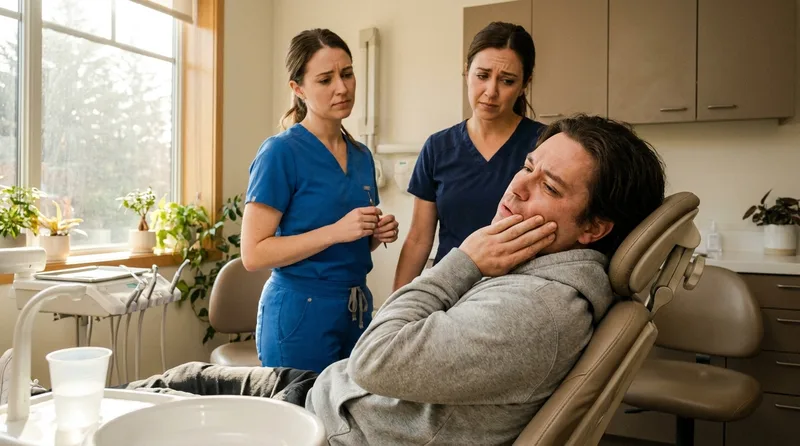
A root canal removes infected or inflamed pulp tissue from inside the tooth, disinfects the canal system, and seals it. It relieves the pain caused by the infection rather than causing new pain, and a crown placed afterward restores the tooth's structure and function.
A root canal is a procedure that removes infected or inflamed pulp tissue from inside the tooth. The pulp is the soft inner core of the tooth containing nerves, blood vessels, and connective tissue. When bacteria reach the pulp through a deep cavity, a crack, or a traumatic injury, the pulp becomes infected. Left untreated, the infection spreads through the root canals into the surrounding bone, forming an abscess and potentially spreading further.
The root canal procedure cleans out the infected tissue, disinfects the canal system, and seals it. A crown is typically placed afterward to restore the tooth's structure and protect it from fracture. Despite its reputation, a root canal does not remove the tooth and does not cause pain. It relieves the pain that was already present by eliminating the infection that was causing it.
According to Healthline, root canal treatment has a success rate above 95% in appropriate cases and treated teeth can last a lifetime with proper care, making it a highly effective approach to saving a tooth that would otherwise require extraction.
Not every one of these symptoms confirms a root canal is needed; only a clinical examination and X-rays can do that. But these are the signs that indicate the tooth's pulp may be involved and that evaluation cannot be put off without risk of the situation worsening.
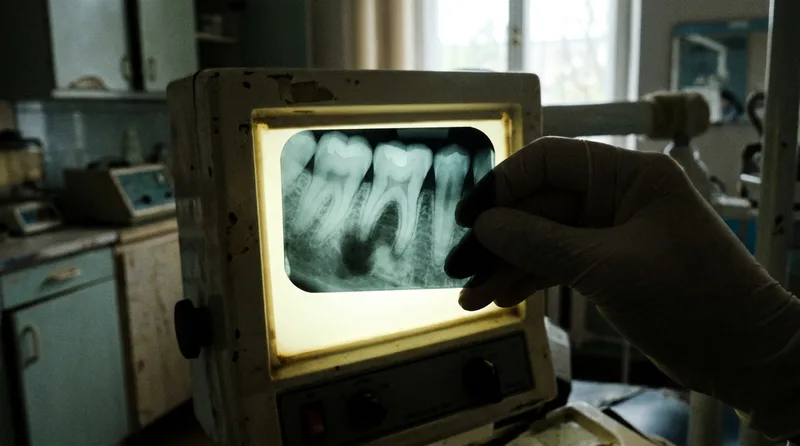
Dental pulp, once infected, does not heal on its own. The infection progresses through the root canal system, deeper into the periapical bone, and potentially into surrounding soft tissue with each week of delay. A tooth that was treatable with a straightforward root canal can become unrestorable within weeks.
The reason delay is counterproductive with root canal symptoms comes down to the biology of infection. Dental pulp, once infected, does not heal on its own. The infection does not resolve without treatment, and it does not stay contained indefinitely. Each week of delay allows the infection to progress further through the root canal system, deeper into the periapical bone, and potentially into the surrounding soft tissue.
What begins as an inflamed pulp that requires a relatively simple root canal becomes, with delay, an acute apical abscess requiring more complex treatment, possible antibiotic therapy, and sometimes extraction if the infection has destroyed too much surrounding bone to support the tooth. The tooth that could have been saved with a straightforward procedure in one appointment becomes a tooth that cannot be saved at all.
Beyond the tooth itself, dental infections have systemic implications. Published research has documented cases of dental infections spreading to the spaces of the head and neck, the chest, and other sites, with potentially serious consequences, particularly in immunocompromised patients. While severe spread is not the typical outcome of a delayed root canal, the risk is real enough that dental infections should be treated on the same urgency scale as any other significant infection in the body.
According to the American Dental Association, early intervention in cases of pulpal infection significantly improves outcomes and reduces the complexity of treatment required, and patients experiencing symptoms of pulp involvement should seek dental evaluation promptly rather than waiting for symptoms to resolve on their own.

This is the question behind most of the avoidance. The honest answer is that a root canal, performed with modern anesthesia, is typically no more uncomfortable than a routine filling. The pain associated with root canals in popular culture comes from the era before effective local anesthesia and before the refinement of modern endodontic techniques.
The more accurate source of discomfort is often the infection itself, not the treatment. A tooth with an active abscess can be more challenging to get fully numb due to the acidity of the infected tissue affecting anesthetic function. Dr. Curley has specific techniques for managing anesthesia in the presence of active infection to ensure patient comfort throughout the procedure. The post-procedure soreness that follows a root canal, typically one to three days of mild to moderate discomfort as the surrounding tissue heals, is managed with whatever pain relief approach Dr. Curley recommends based on the specific case.
Published research on root canal treatment experience has found that the majority of patients rate the procedure as equal to or less painful than a tooth extraction, and significantly less painful than leaving the infection untreated, according to that body of patient outcome data. More than 90% of patients who have had a root canal rate it as painless or only mildly uncomfortable with proper anesthesia.
Root canal-treated teeth lose their internal blood supply, making them more brittle and susceptible to fracture. A crown protects the treated tooth from biting forces that could cause a vertical fracture, which would make the tooth unrestorable. For posterior teeth, a crown is almost always recommended.
Root canal-treated teeth lose their internal blood supply after the procedure, which makes them more brittle and susceptible to fracture over time. A crown placed over the treated tooth protects it from the biting forces that could cause a vertical fracture, which would make the tooth unrestorable. For posterior teeth that bear the brunt of chewing force, a crown is almost always recommended after root canal treatment.
At Susan J. Curley DDS, the crown can be fabricated chairside on the same day using the in-office milling system in many cases, eliminating the need for a temporary crown and a second appointment. Our article on same day dental crowns covers this technology and how it works. The combination of root canal treatment and same-day crown means the tooth can be fully restored in a single visit or in two closely spaced appointments rather than the traditional three-step process.
You cannot diagnose yourself definitively, but the symptom pattern is a reliable guide for deciding when to call. Spontaneous tooth pain, lingering sensitivity after a stimulus, visible gum swelling near a tooth, or any facial swelling should prompt a same-day call to the dental office.
You cannot diagnose yourself definitively, but the symptom pattern described above is a reliable guide for deciding when to call. Any symptom involving spontaneous tooth pain that was not triggered by something obvious, pain that lingers rather than resolving quickly after a stimulus is removed, visible swelling near a tooth, or any facial swelling at all should prompt a same-day call to the dental office.
At Susan J. Curley DDS, same-day emergency appointments are available for patients experiencing tooth pain. A brief examination, including X-rays, is typically sufficient to determine whether a root canal is indicated, whether the situation is an abscess requiring more urgent management, or whether the symptoms have a different cause that needs a different treatment. To book an emergency appointment or to discuss symptoms before committing to coming in, call the office or visit susanjcurleydds.com/book-appointment.
Toothache that's getting worse, not better?
Same-day appointments are available at Susan J. Curley DDS in Wall Township, NJ. The sooner the tooth is evaluated, the simpler the treatment is likely to be.
Dental ServicesRoot canal treatment connects to several restorative and emergency topics covered at Susan J. Curley DDS.
Results may vary. Please consult with your dentist at Susan J. Curley DDS for personalized treatment recommendations.
Written By
Dentist
Your first smile makeover consultation: what to expect, from the goals discussion to your digital smile design preview and plan.
What is digital smile design? A preview technology that lets you see your proposed new smile before treatment even begins.
Am I a candidate for veneers? Six clear signs that suggest veneers could be a good fit for your smile and long-term goals.
Book your visit with Dr. Curley online or call us, and we'll take it from there.