
smile-design
Your First Smile Makeover Consultation: What to Expect
Your first smile makeover consultation: what to expect, from the goals discussion to your digital smile design preview and plan.
Sep 20, 20268 min read



Your periodontal maintenance cleaning schedule looks different from a standard cleaning schedule for a specific reason: once you've been treated for gum disease, the bacteria that caused it can start rebuilding within about three months. A six-month cleaning that works fine for healthy gums simply gives that bacteria too much time to regroup. If Dr. Curley recently moved you from a six-month interval to a three or four month one, this explains exactly why, and what happens if that new schedule slips.
Periodontal maintenance is part of the ongoing periodontal treatment Susan J. Curley DDS provides after scaling and root planing or other gum disease therapy. Here's how the schedule works, and why skipping it costs more than just a missed appointment.
Periodontal maintenance is a specialized cleaning that follows active gum disease treatment, focused on monitoring pocket depths and removing bacteria before it causes new damage. It's billed and coded differently from a standard cleaning because it's treating an ongoing condition, not just preventing one.
Dentists use a specific procedure code, D4910, for periodontal maintenance, separate from the D1110 code used for a routine prophylaxis. That distinction matters for your insurance and for your treatment plan. Once you've had scaling and root planing or periodontal surgery, your gums are considered a managed condition rather than a clean slate. 42% of adults aged 30 and older have some form of periodontal disease, according to the CDC, and once you've been treated for it, staying ahead of it becomes the new baseline.
A periodontal maintenance visit typically includes measuring pocket depths, checking for bleeding on probing, and removing plaque and tartar above and below the gumline, similar to scaling and root planing but on a smaller, maintenance scale.
Your cleaning schedule changes after gum treatment because periodontal bacteria can return to pre-treatment levels within roughly nine to eleven weeks. A six-month gap simply lets that regrowth go unmonitored for too long.
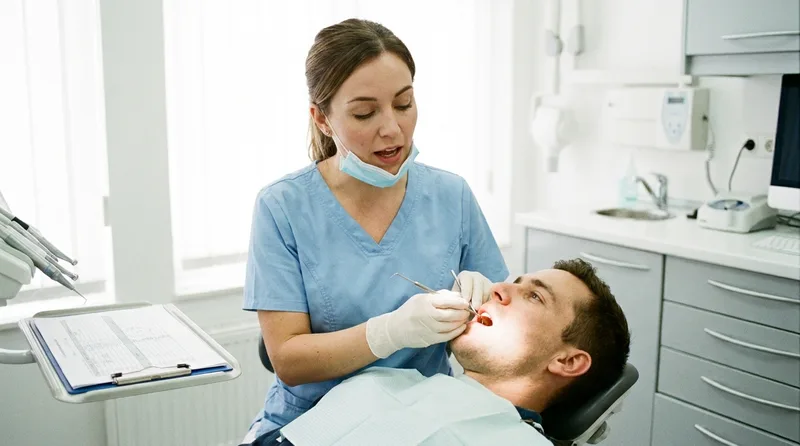
A published review in the Journal of Clinical Periodontology found that for patients with moderate to advanced periodontitis, a supportive care protocol built around a 2 to 4 month recall interval is a reasonable standard. Healthy gums can go six months between visits because there's no active disease process to interrupt. Treated gums are different: the tissue has healed, but the risk factors that caused the original problem, whether that's genetics, smoking, or home care habits, are usually still present.
Think of it less as a stricter rule and more as ongoing monitoring. Your hygienist isn't just cleaning at these visits. They're checking whether the treatment is holding.
Most patients on a periodontal maintenance cleaning schedule are seen every three to four months, though your specific interval depends on your pocket depths, bleeding tendency, and risk factors like smoking or diabetes. Dr. Curley adjusts the exact timing based on how your gums respond.
Here's roughly how the interval breaks down by risk level:
This isn't a schedule your dentist sets once and forgets. Every periodontal maintenance visit re-evaluates whether your interval still fits, and it can lengthen over time if your gums stay stable, or tighten back up if something changes.
Not sure what interval fits you?
Dr. Curley can review your last treatment and pocket depths to set a schedule that actually matches your risk level.
Request an Appointment →Skipping a periodontal maintenance appointment gives bacteria more time to rebuild below the gumline, which raises the odds of the disease progressing again without you noticing right away. Gum disease is usually painless in its early stages, so a missed visit doesn't announce itself.
Regular dental visits can catch 80% of oral health issues before they become serious, per the ADA, and that number matters even more for patients with a history of gum disease. Miss one maintenance visit and your hygienist can usually catch up quickly at the next one. Miss several in a row, and pockets that were stable can deepen again, sometimes to the point where scaling and root planing or even surgical treatment becomes necessary a second time.
The tricky part is that early regression rarely comes with symptoms. Pockets can deepen by a millimeter or two without any pain, swelling, or bleeding you'd notice while brushing. That's exactly why the charting at each maintenance visit matters more than how your gums happen to feel that day. A hygienist measuring the same six or eight points around every tooth will catch a half-millimeter change long before it turns into something you'd feel.
Life gets in the way, appointments get rescheduled, and that's normal. If you've fallen behind, the better move is calling to get back on the schedule rather than waiting for a problem to show up first.
Yes, periodontal maintenance is clinically and administratively different from a regular cleaning, even though both involve removing plaque and tartar. The exam is more detailed, the interval is shorter, and the insurance coding reflects an existing condition rather than routine prevention.
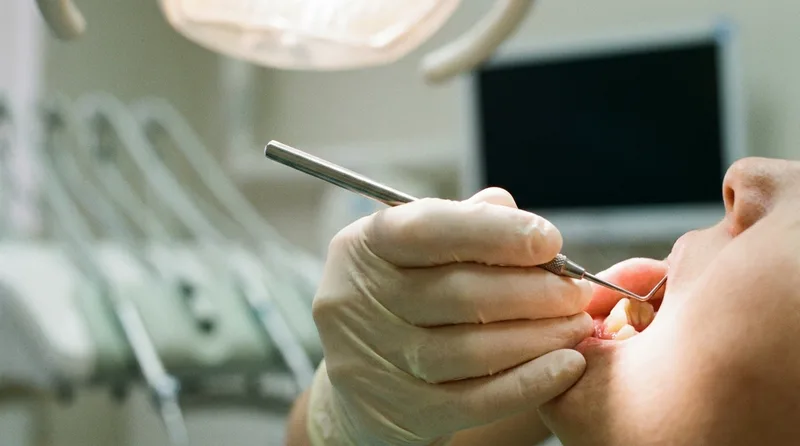
A standard cleaning (prophylaxis) assumes healthy gums with no history of periodontitis. Periodontal maintenance assumes the opposite: it assumes your gums were sick, are now stable, and need monitoring to stay that way. That means periodontal charting at nearly every visit, not just once a year, along with root planing on any areas that show renewed buildup.
| Factor | Periodontal Maintenance | Regular Cleaning |
|---|---|---|
| Billing code | D4910 | D1110 |
| Typical interval | Every 3 to 4 months | Every 6 months |
| Charting | Full periodontal charting at nearly every visit | Charting typically once a year |
| Who it's for | Patients treated for gingivitis or periodontitis | Patients with no history of gum disease |
| Focus | Monitoring for disease recurrence | Routine prevention |
The interval difference alone explains most of the cost and scheduling confusion patients run into. Three or four visits a year instead of two means more appointments to keep track of, and sometimes a different portion of the bill covered by insurance. It's a real adjustment, but it's a small one compared to going through gum treatment a second time.
MouthHealthy, the ADA's patient education site, describes gum disease as a condition that can be managed and controlled but doesn't fully reverse once it reaches the periodontitis stage. That's the core reason maintenance never fully reverts back to a standard cleaning schedule.
Most dental insurance plans cover periodontal maintenance, though usually under a different benefit category than routine cleanings, often with its own annual visit limit. Coverage details vary enough by plan that it's worth checking before your first maintenance visit.
Periodontal maintenance is billed under code D4910, which many plans treat separately from the two cleanings a year most people expect their insurance to cover. Some plans cover three or four periodontal maintenance visits annually at full or partial benefit; others cap coverage lower and leave the rest as an out-of-pocket cost. Because this distinction catches people off guard, it's worth asking your insurance directly what your specific plan covers under D4910 before assuming your benefits work the same way they did before treatment.
A few questions worth asking your insurance provider directly:
The team at Susan J. Curley DDS verifies your periodontal maintenance benefits ahead of your appointment, so there's no surprise at checkout.
A periodontal maintenance visit includes a periodontal charting update, scaling above and below the gumline, and a review of any areas showing renewed inflammation. It typically runs a bit longer than a standard cleaning because of the extra charting step.
Here's the general sequence:
This charting step is what separates periodontal maintenance from a routine cleaning. Without it, subtle changes in pocket depth could go unnoticed for months.
Stay ahead of your treatment results
Consistent periodontal maintenance is what protects the results of your original gum treatment.
Book Appointment →Most patients stay on a periodontal maintenance schedule indefinitely once they've been treated for periodontitis, since the underlying risk of recurrence doesn't fully go away. The frequency can loosen over time, but the monitoring itself rarely stops completely.
That said, "indefinitely" doesn't mean "forever at the same frequency." Patients who maintain excellent home care, quit smoking, or get diabetes under better control sometimes see their interval stretch from three months to four, or from four months to six, over a year or two of stable visits. Americans who visit a dentist regularly are 60% less likely to lose teeth, according to the Journal of Dental Research, and that gap is even wider for patients managing a history of gum disease. Compare that to how often you'd get teeth cleaned with healthy gums and no treatment history, and the difference makes more sense.
Dr. Curley reassesses this at every visit rather than locking you into a fixed number of years. If your gums stay stable long enough, your interval reflects that. If something changes, so does the schedule.
A periodontal maintenance cleaning schedule isn't a punishment for having had gum disease. It's the monitoring that keeps that treatment working over the years, not just in the months right after your last appointment. Sticking with the three or four month interval Dr. Curley recommends is what protects the investment you already made in your gum health, and it's a lot easier than treating a relapse. Results may vary. Please consult with your dentist at Susan J. Curley DDS for personalized treatment recommendations.
Ready to schedule your next maintenance visit?
Book your periodontal maintenance cleaning at Susan J. Curley DDS and keep your treatment results on track.
Book Appointment →Questions about your specific recall interval?
Contact Us →Written By
Dentist
Your first smile makeover consultation: what to expect, from the goals discussion to your digital smile design preview and plan.
What is digital smile design? A preview technology that lets you see your proposed new smile before treatment even begins.
Am I a candidate for veneers? Six clear signs that suggest veneers could be a good fit for your smile and long-term goals.
Book your visit with Dr. Curley online or call us, and we'll take it from there.