
Preventive Dentistry
Dental Checkup While Pregnant: Is It Safe? A Guide
Dental checkup while pregnant is it safe? Yes, routine and necessary dental care remains safe and recommended throughout pregnancy.
Sep 3, 20269 min read



Dental implant maintenance long term care comes down to a few consistent habits rather than anything complicated: daily cleaning, regular checkups, and paying attention to a handful of warning signs. If you already have implants at our full mouth reconstruction practice, this is the practical, ongoing side of care that keeps them working well for years.
Many patients focus heavily on the placement and healing process, then assume the implant simply takes care of itself once the crown is in. That's mostly true day to day, but the long-term outcome still depends on how well you maintain it, just like any other part of your smile.
This matters especially for patients who've had implants for several years already, since early enthusiasm about a new smile sometimes fades into treating the implant like any other tooth, good and bad habits included. A quick refresher on what actually protects your investment is worth revisiting periodically, even years after treatment.
If you're reading this because you already have implants and it's been a while since you thought carefully about your care routine, that's exactly who this guide is written for. The goal is a practical refresher, not a reason for concern.
Most patients find that once these habits become routine, they require very little extra thought day to day. The initial adjustment period is usually the only part that takes conscious effort.
Dental implants have a success rate of 95 to 98% over 10 years, according to the Journal of Oral and Maxillofacial Surgery, and consistent maintenance is a major reason why. This guide covers what long-term care for your implants actually looks like day to day, what to watch for, and how it compares to caring for natural teeth, consistent with the ADA's patient resources on dental implants.
Long-term implant maintenance involves daily brushing and flossing around the implant, routine dental checkups and cleanings, and watching for changes in comfort, gum color, or stability. It's closer to caring for natural teeth than most patients expect, with a few specific differences.
The implant post itself, being titanium, can't develop a cavity. But the gum tissue and bone around it can still be affected by plaque buildup, just like natural teeth. That's the part of maintenance most patients underestimate. The crown looking fine doesn't mean the surrounding tissue is automatically healthy.
Think of it as two separate parts needing attention. The crown itself is durable and low-maintenance. The gum and bone supporting it need the same ongoing care you'd give any other part of your mouth.
Neglecting the gum tissue around an implant is one of the most common gaps in otherwise good oral hygiene, simply because the crown feels solid and permanent. Treating it as just another part of your regular routine, rather than something separate, keeps this from becoming an afterthought.
Cleaning an implant uses the same basic tools as natural teeth: brushing and flossing. Extra attention often goes to where the crown meets the gum line, since that junction can trap plaque more easily. Some patients use a water flosser or interdental brush for this specific spot.
The goal is reaching every surface around the implant, not just the visible front of the crown. Plaque that builds up along the back or underside of the crown, out of easy sight, is just as capable of irritating the gum tissue as plaque anywhere else in your mouth.
A soft-bristled brush remains the right choice for implants, the same as for natural teeth, since anything too stiff can irritate the gum tissue around the crown over time. If you're ever unsure whether your current routine reaches every angle, your hygienist can walk through your specific technique at your next cleaning.
| Care Task | Natural Tooth | Dental Implant |
|---|---|---|
| Brushing | Twice daily | Twice daily, same routine |
| Flossing | Standard floss | Floss threader or water flosser often helps |
| Cavity risk | Yes, ongoing risk | No, crown material can't decay |
| Gum health risk | Yes | Yes, equally important |

Most implant patients benefit from the same twice-yearly checkup schedule used for natural teeth, though your dentist may recommend more frequent visits in the first year or if any warning signs appear. Routine cleanings let your dentist catch small issues before they become bigger ones.
These visits typically include checking the crown for looseness, examining gum tissue around the implant, and sometimes an X-ray to confirm the bone around the implant remains stable. Skipping these visits is one of the more common reasons small issues go unnoticed until they've progressed further.
A hygienist experienced with implants also uses specific tools designed not to scratch the crown surface during cleaning. This is a small detail, but it's part of why routine professional cleanings matter even when your home care is already solid.
These checkups also give you a chance to ask questions about anything you've noticed since your last visit, rather than waiting until something feels urgent. A quick conversation at a routine cleaning often resolves a minor concern before it needs any actual treatment.
Due for your implant checkup?
Regular maintenance visits are the simplest way to protect your investment for years to come.
Schedule a Visit →Warning signs include gum swelling or redness around the implant, discomfort while chewing, a loose or shifting feeling, or an unusual taste that doesn't go away with normal brushing. Any of these is worth a call rather than waiting for your next scheduled visit.
These signs don't necessarily mean the implant itself has failed, since many are related to the surrounding gum tissue and are treatable when caught early. Waiting to mention them, on the other hand, gives a minor issue more time to develop into something more involved.
It's easy to dismiss mild symptoms as something that will pass on its own. With implants, a quick call to confirm whether something needs attention is almost always worth the few minutes it takes, especially since early intervention tends to be simpler and less involved than treating a problem that's had time to progress.
Your dental team would much rather field a call about something that turns out to be minor than not hear about a genuine problem until it's more advanced. There's no such thing as an overly cautious question when it comes to your implant.
Peri-implantitis is an inflammatory condition affecting the gum and bone around an implant, similar to gum disease around a natural tooth, and it's the leading cause of long-term implant complications when left untreated. Regular dental visits catch 80% of oral health issues before they become serious, according to the ADA, and this applies directly to catching peri-implantitis early. Consistent oral hygiene and regular checkups are the main ways to prevent it.
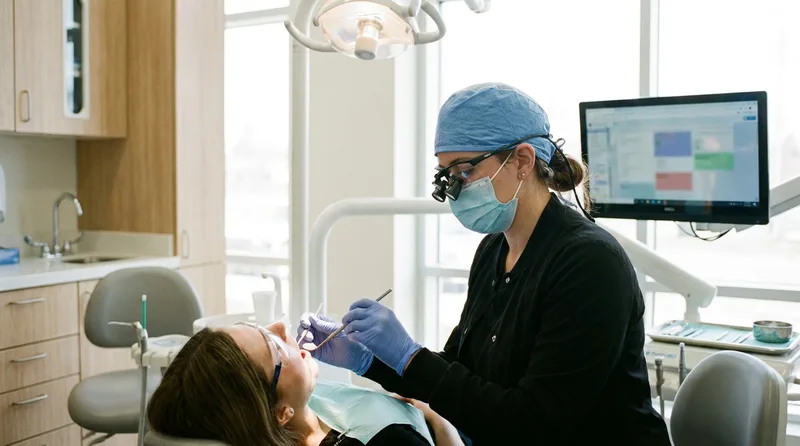
Caught early, peri-implantitis is often managed with a deeper cleaning around the implant and improved home care. Left unaddressed, it can progress to the point where the surrounding bone loss threatens the implant's stability, which is why early detection through regular checkups matters so much.
The condition develops gradually, often without obvious symptoms in its earliest stage. This is exactly why routine checkups matter even when nothing feels wrong day to day. A dentist can spot early signs of gum inflammation around an implant well before you'd notice anything yourself.
Bone loss around an implant, once it starts, doesn't reverse on its own, which is why prevention and early detection carry so much weight compared to treating an advanced case. Consistent brushing, flossing, and checkups genuinely make the difference between catching this early and dealing with a more serious problem later.
Yes, chronic teeth grinding or clenching can put excess force on an implant over time, potentially loosening the crown, the abutment, or in rare cases affecting the implant itself. A night guard is the most common way to protect against this if grinding is a factor.
Many patients don't realize they grind their teeth until a dentist notices wear patterns during a checkup, since it often happens during sleep. If you wake up with jaw soreness or notice your dentist mentioning wear on your natural teeth too, it's worth discussing a night guard specifically to protect your implant investment.
A custom night guard is generally more comfortable and effective than an over-the-counter version, since it's fitted specifically to your bite. For patients with implants, this small investment can meaningfully extend how long the crown and surrounding restoration hold up under everyday use.
Stress-related grinding can also increase during particularly demanding periods of life, so a night guard that fit fine a few years ago is still worth periodically reassessing, especially if your dentist has noticed new wear patterns at a recent checkup.
With consistent care, the implant post itself can last decades, often a lifetime, since titanium fuses permanently with bone. The visible crown may need replacement after many years of normal wear, similar to how a heavily used natural tooth might eventually need a new crown.
Longevity depends far more on maintenance than on the implant itself once it's properly integrated. Patients who keep up with cleanings, address grinding if it's an issue, and respond promptly to any warning signs tend to see their implants perform well for the long haul. Our guide on comparing implant treatment costs also touches on how maintenance factors into long-term value.
It's worth thinking of your implant less as a one-time procedure and more as a long-term relationship with your dental team. The initial placement is a single event, but the years of maintenance afterward are what actually determine how well it holds up.
Avoid using your implant to open packaging or bite extremely hard foods like ice, skipping regular dental checkups, and ignoring early symptoms like gum swelling or discomfort. These are the most common preventable causes of long-term implant problems.
Tobacco use is another factor worth mentioning specifically, since it's been linked to higher rates of implant complications by affecting healing and gum health around the implant. Following general oral health guidance from the CDC alongside your implant-specific care supports better outcomes overall. If you're a smoker considering ways to protect your investment, this is one of the more impactful changes to discuss with your dentist.
Dental implant maintenance long term care ultimately comes down to consistency: the same habits that protect natural teeth, applied a little more attentively around the implant itself. Results may vary. Please consult with your dentist at Susan J. Curley DDS for personalized treatment recommendations.
If it's been a while since your last implant checkup, or if you've noticed any changes worth mentioning, reaching out now is simpler than waiting for a small issue to grow. Your dental team would rather hear about a minor concern early than a bigger one later.
Keep Your Implants in Great Shape
Schedule your maintenance checkup with Dr. Curley in Wall Township.
Book Appointment →Have questions before booking?
Contact Our Wall Township Office →Written By
Dentist
Dental checkup while pregnant is it safe? Yes, routine and necessary dental care remains safe and recommended throughout pregnancy.
Dentist near Farmingdale NJ: is the short drive to Wall Township worth it? What patients weigh before deciding to switch.
Cosmetic dentist Spring Lake Heights NJ: smile makeover options including porcelain veneers, whitening, and Invisalign care.
Book your visit with Dr. Curley online or call us, and we'll take it from there.